EXPLORE THE BEST IMAGES OF THE AGRICULTURAL AND TOURISTIC BEGINNINGS OF ROQUETAS DE MAR
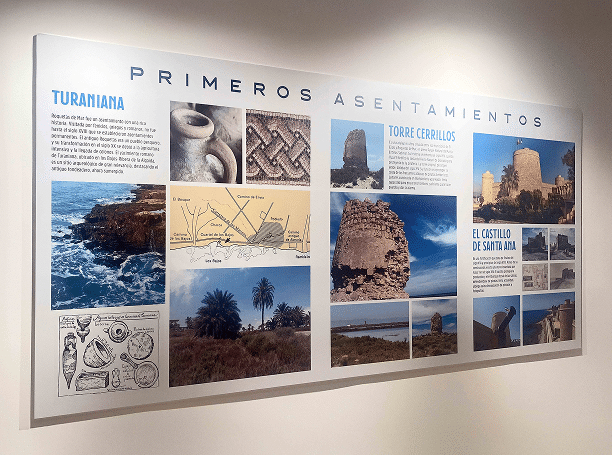
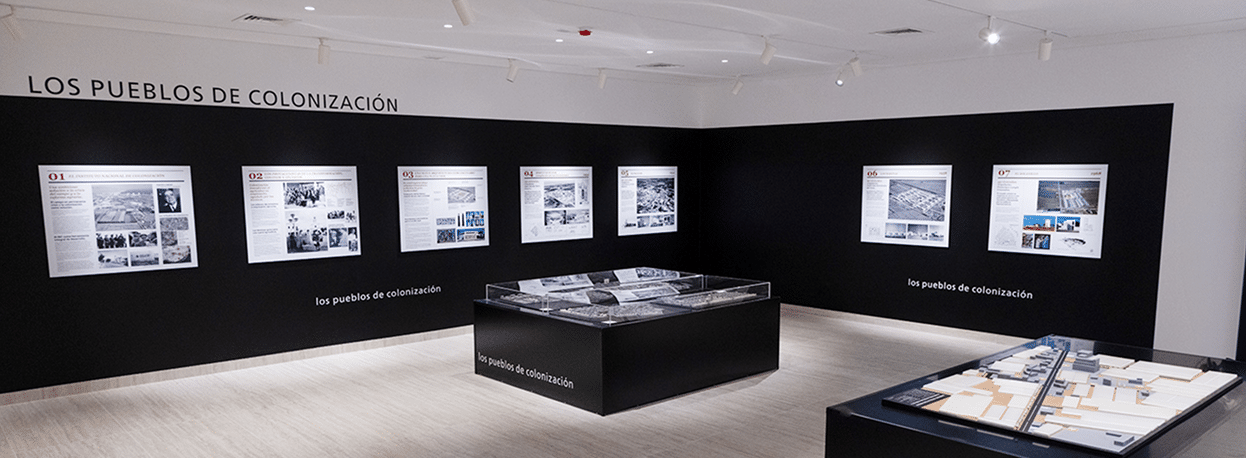
This section of Roquetas Global puts on display the important work of the National Institute of Colonization (INC) towards the socioeconomic development of the territory, also emphasizing our region’s intensive agriculture and the awakening of tourism.
INTENSIVE AGRICULTURE
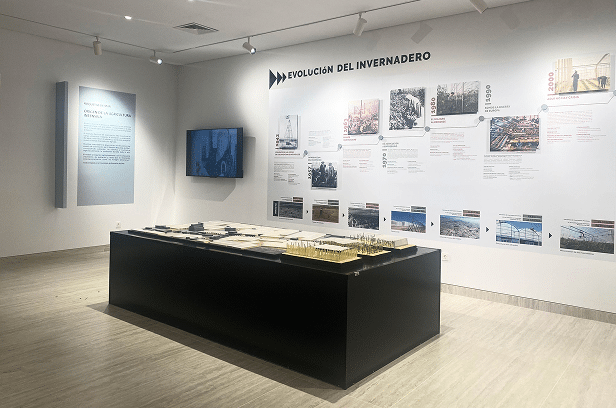
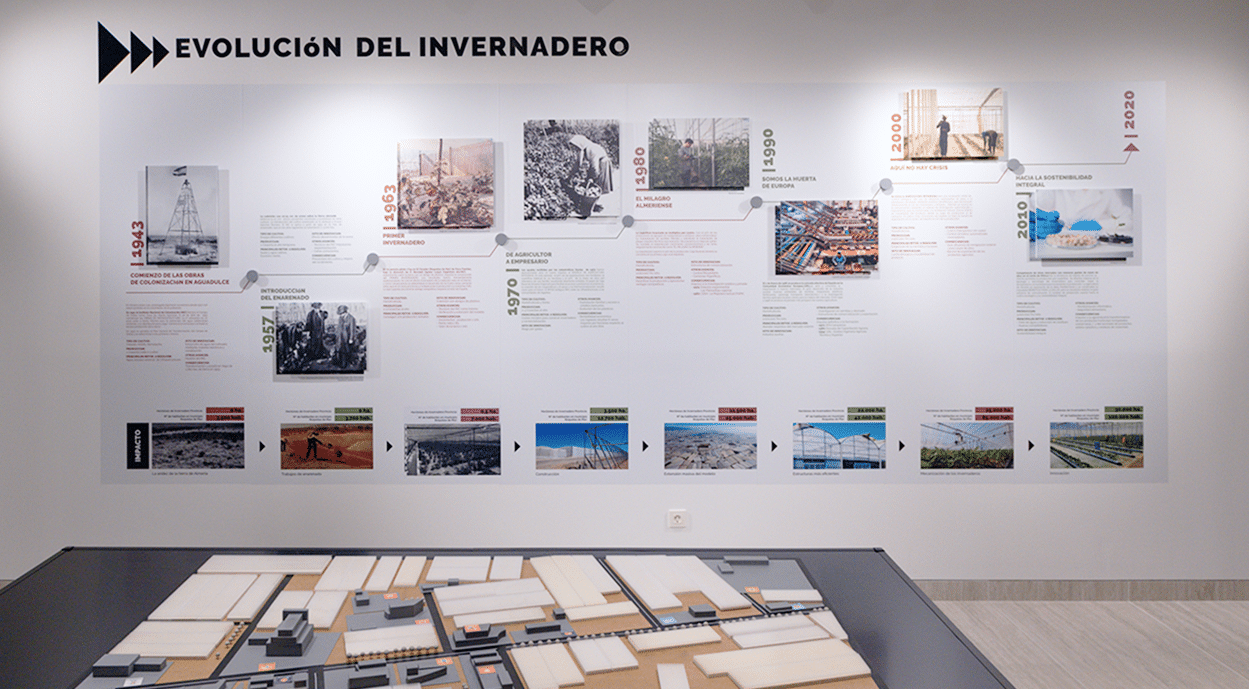
Our growth got its start with the peculiar model of intensive family agriculture in greenhouses. The agricultural sector currently accounts for 40% of the province’s GDP and almost a quarter of employment.
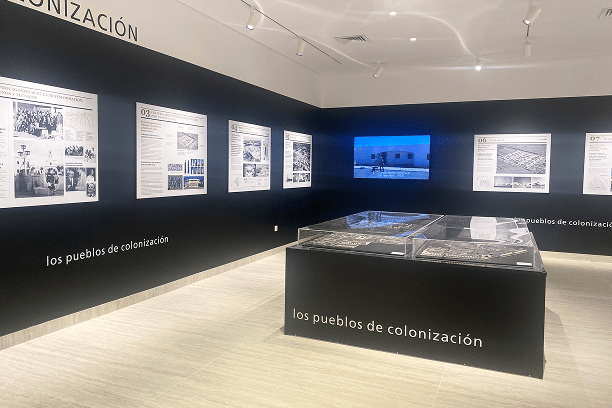
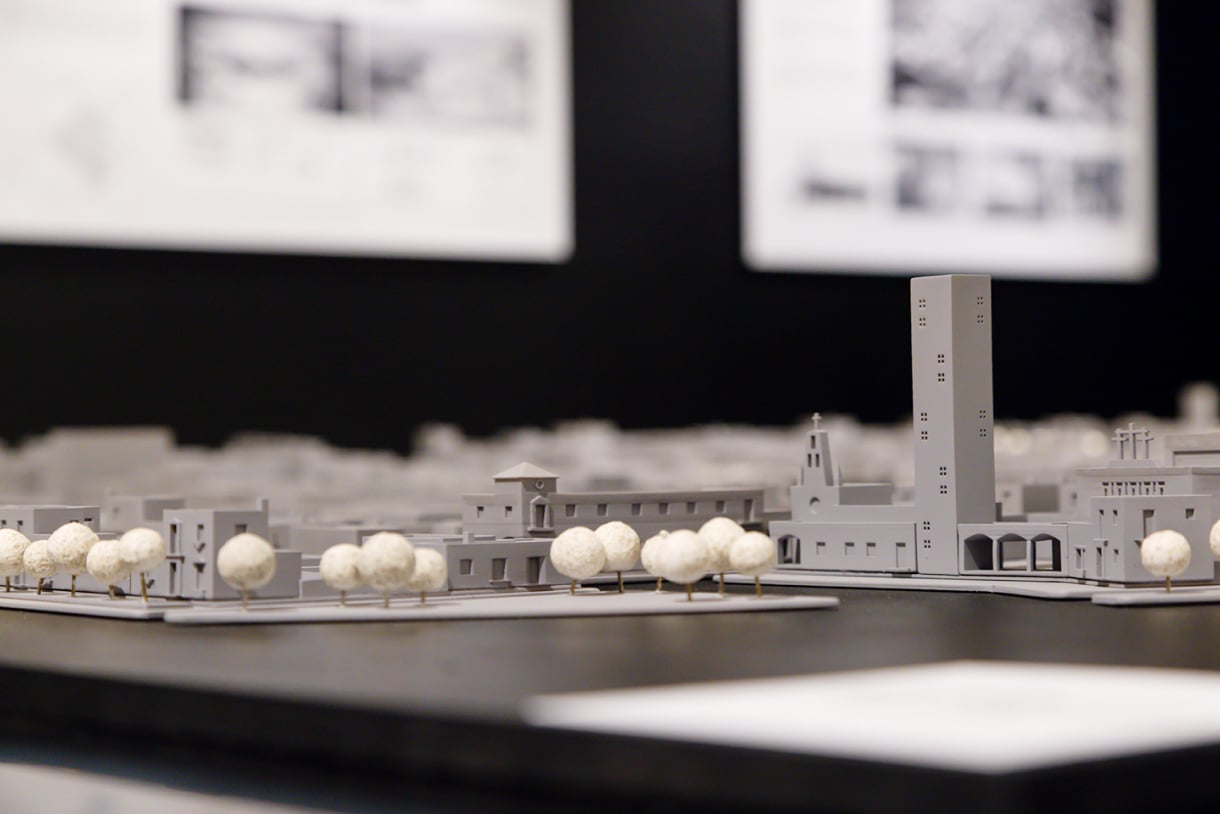
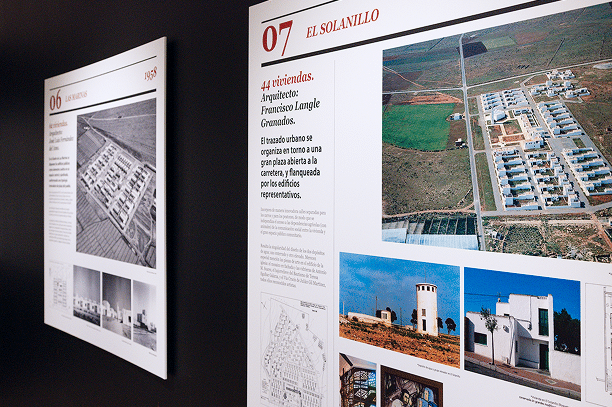
During the second half of the twentieth century, the National Colonization Institute (INC) carried out the important task of putting uncultivated lands to use by assigning and training new residents. Four new towns were created in Roquetas de Mar which represented the basis of territorial planning and consolidated an urban, architectural, and social legacy of great interest. It is widely known that, in 1963, the first greenhouse in the Province of Almeria was created at an INC pilot farm located in El Parador (Roquetas de Mar). Its success quickly spread to the Dalías and Levante Almeriense countryside.
TOURISTIC ROOTS OF NATIONAL IMPORTANCE
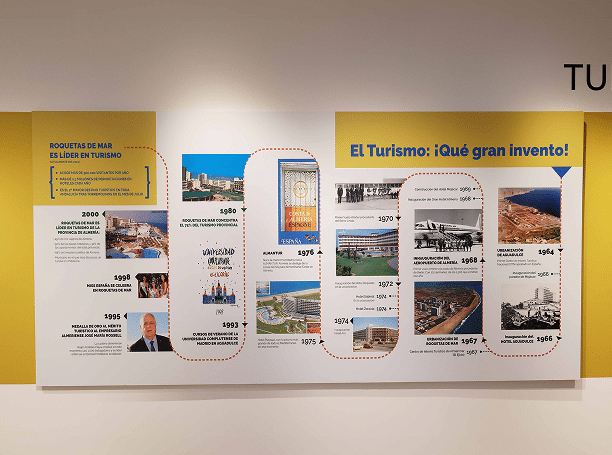
Aguadulce, in Roquetas de Mar, was the first Center of National Touristic Interest in Spain (1964).
Currently, the developed areas of Roquetas de Mar are home to 84% of the tourist-sector employment in the province of Almeria and 40% of the hotel beds. The average tourist stay is higher than the Andalusian and national averages, and family tourism stands out, with 25% of overnight stays by foreign travelers. The region houses buildings of architectural interest made for tourist use – and this has been reflected in several publications and national registries.